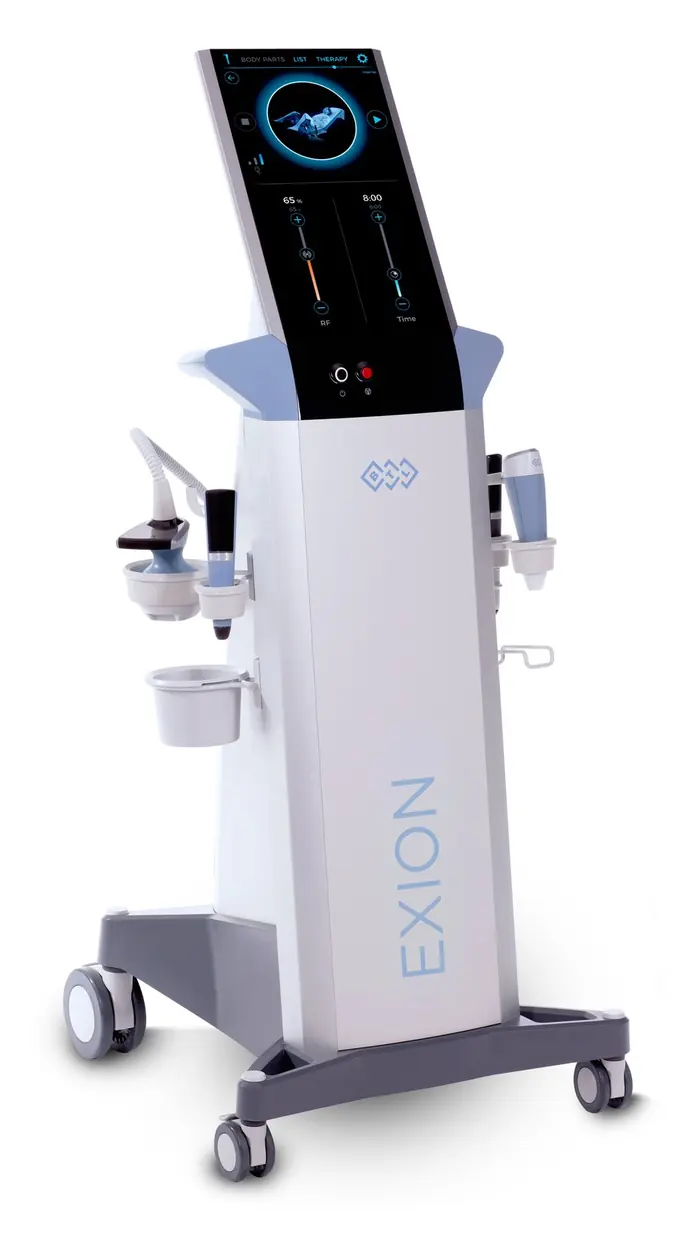
Gentle warmth for tissue that has changed.
Births, hormonal shifts and the menopause change vaginal tissue: dryness, a feeling of tightness, reduced blood flow or altered sensation during sex are common — and treatable. The Emfemme treatment uses radiofrequency warmth to stimulate circulation and tissue regeneration.
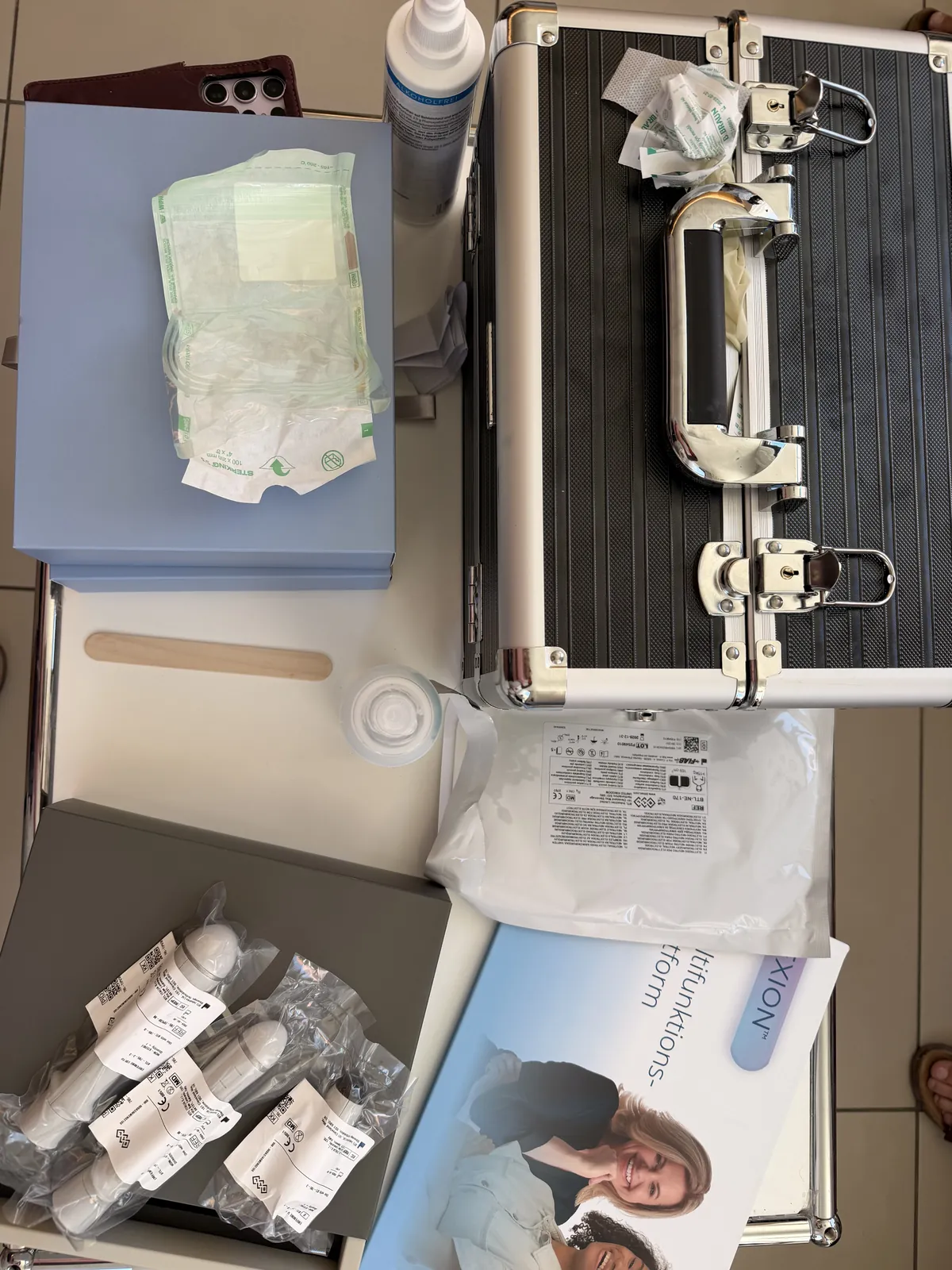

Emfemme 360 at a glance
Briefly explained: controlled radiofrequency warmth for vaginal tissue.

This is what it looks like.
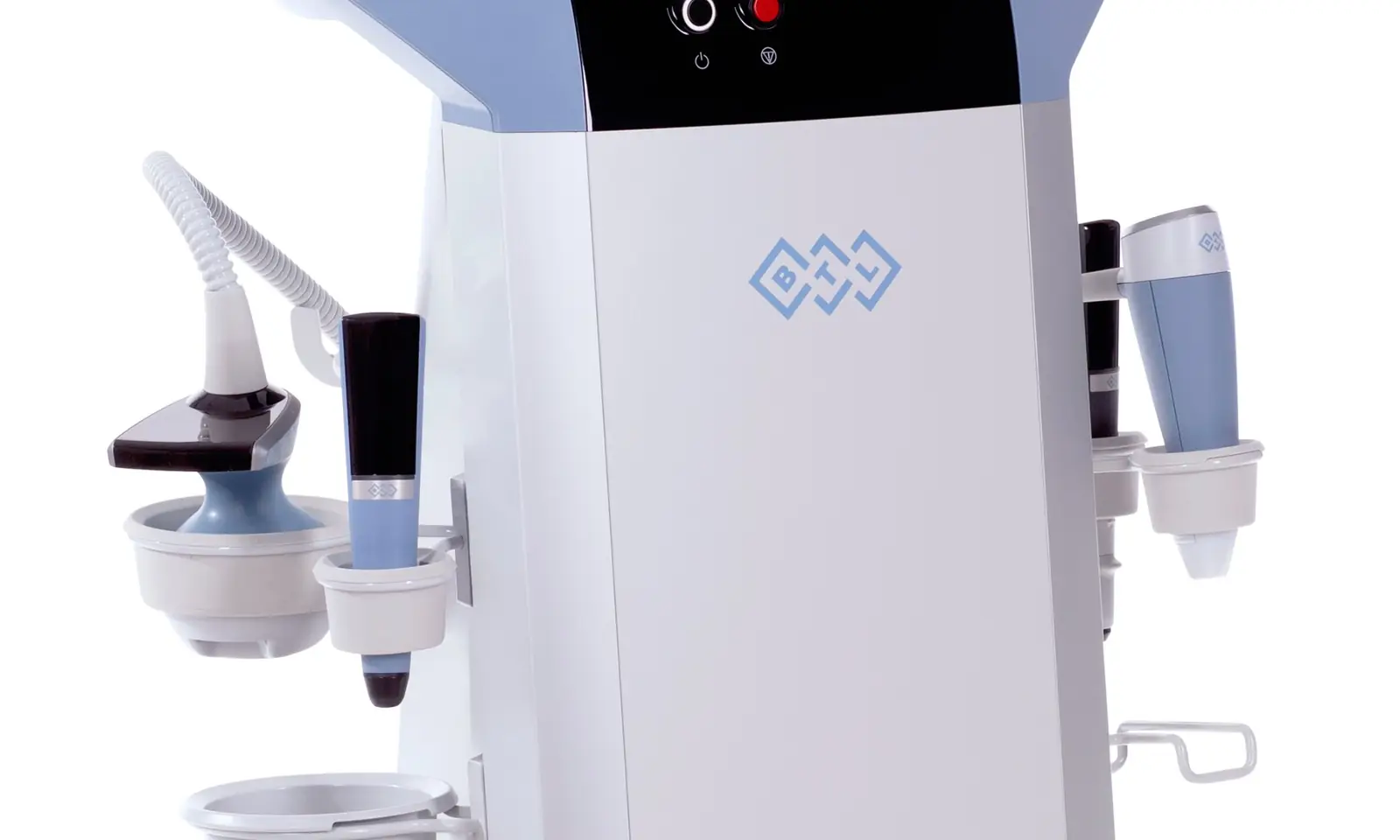
Image: BTL Medical Technologies
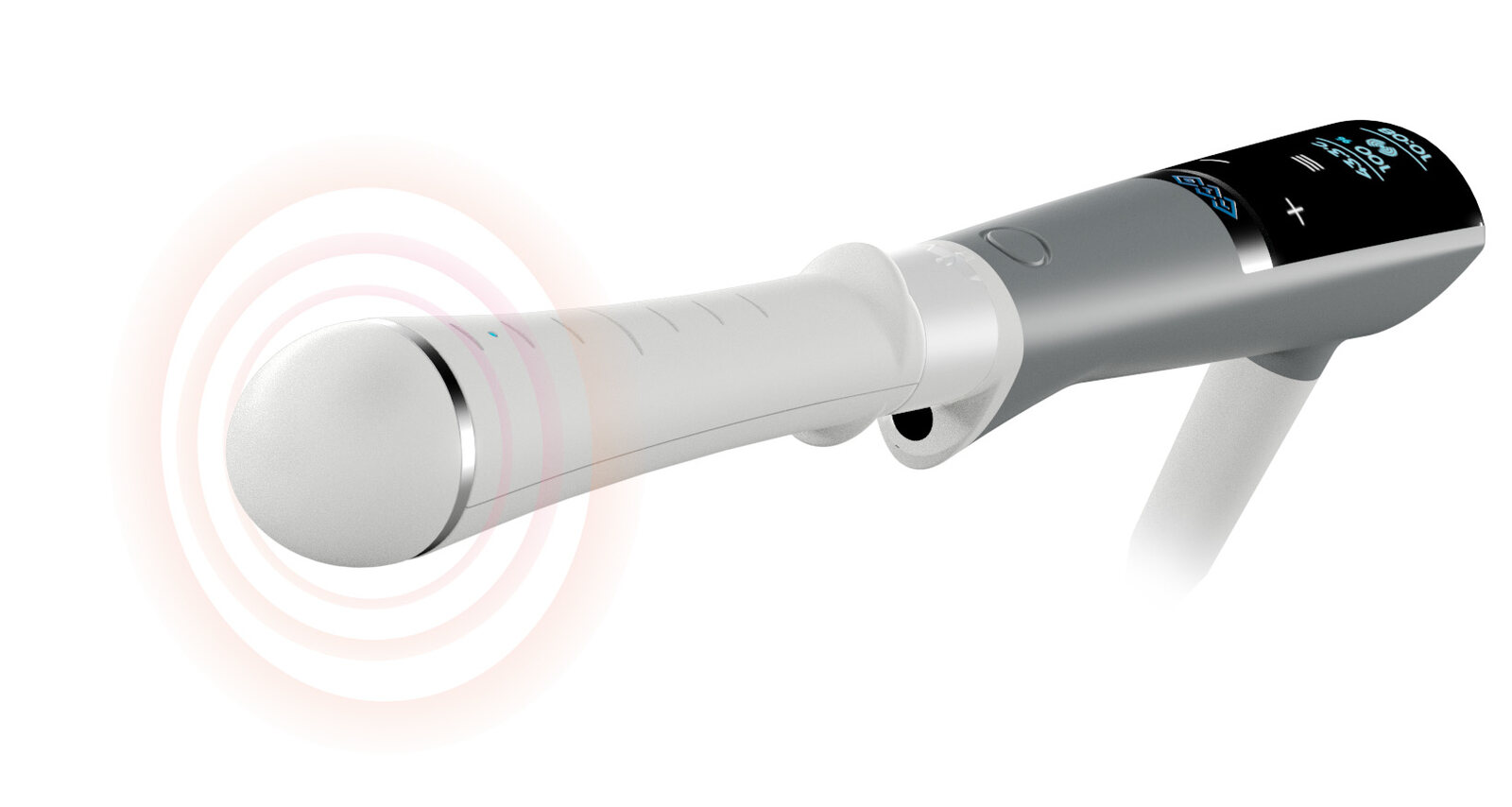
Image: BTL Medical Technologies
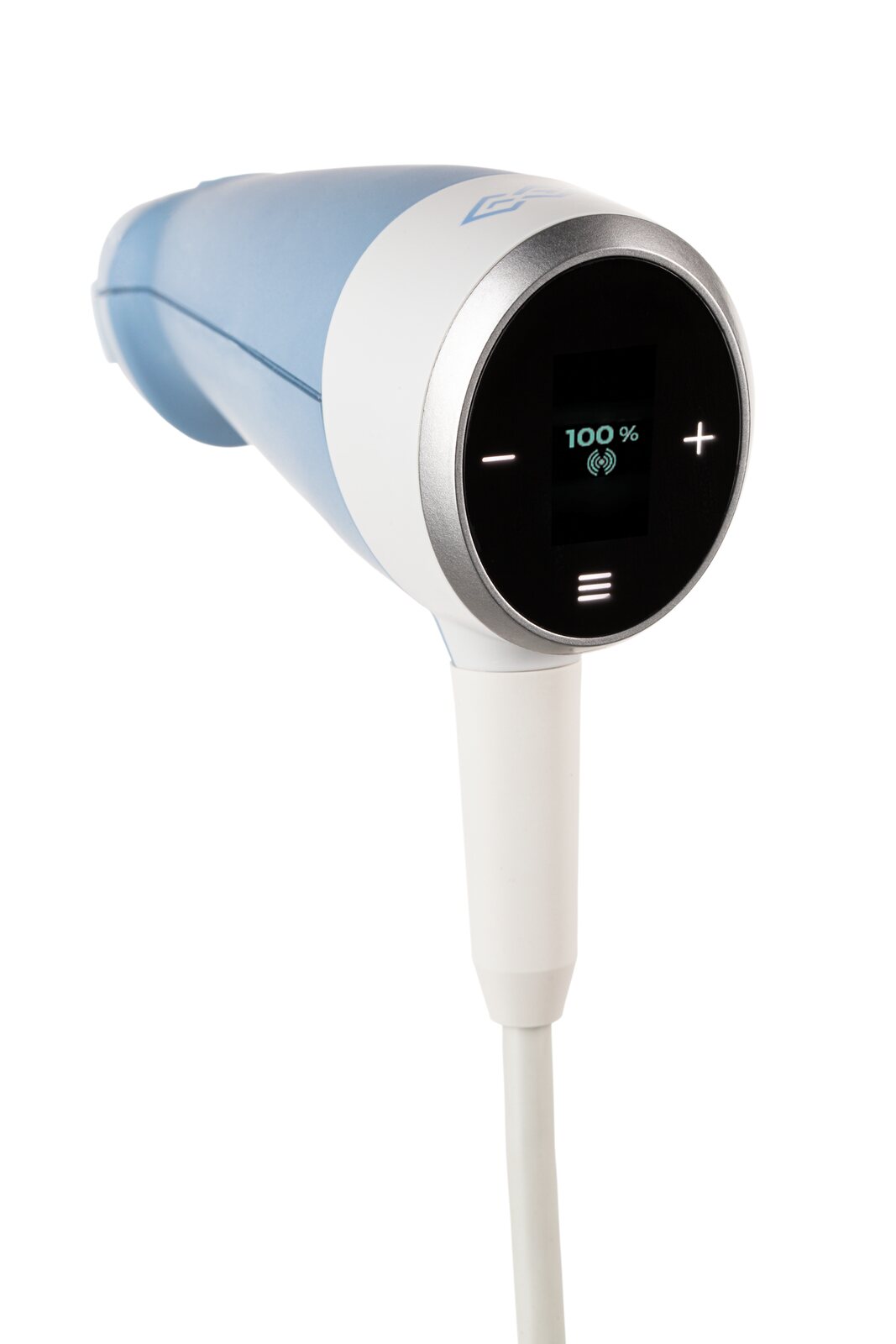
Image: BTL Medical Technologies
Internal or external, no laser, no incision, no anaesthetic — you can go straight back to your day.
The warmth is limited by the device itself — controlled, even and well tolerated.
A short programme with a clear end — no subscription, no ongoing therapy.
Who is this for?
When dryness or altered sensation affects everyday life or your sex life.
Lichen sclerosus is a focus area of our practice. Radiofrequency methods are being studied here as an adjunct — whether this is an option in your situation, and what the evidence actually supports, is something we discuss openly in the consultation. Topical therapy remains the established treatment.
A non-invasive option, before surgical routes even come into the discussion.
We will tell you openly whether the treatment fits your situation — and just as openly when it does not.
Studies & effectiveness
Radiofrequency warmth applied to vulvovaginal tissue has been studied scientifically — including in lichen sclerosus, a focus area of our practice. The body of evidence is modest and the protocols differ. A selection on the method:
Pilot study on fractional radiofrequency in vulvar lichen sclerosus: most participants were free of symptoms or clearly improved afterwards — documented histologically.
Non-ablative radiofrequency in treatment-refractory vulvar lichen sclerosus: clinical and histological improvement.
Histological and clinical changes in vulvovaginal tissue after temperature-controlled radiofrequency treatment.
Honestly: limits & requirements
The treatment is not a substitute for proper assessment. Dryness, burning and pain can have other causes — an infection, a skin condition, occasionally something that needs prompt treatment. We examine first.
It is not a replacement for topical hormone therapy where that is indicated and suitable for you. The two do not exclude each other — the combination is often the sensible route.
And it is not a tightening procedure for aesthetic reasons. We treat symptoms.
Pregnancy · acute infection in the treatment area · active cancer · metal implants in the treatment area · implanted electronic devices. Where bleeding is unexplained, we investigate that first.
Frequently asked questions about Emfemme
What happens during a session?
You lie as you would for a routine gynaecological examination. The internal treatment takes about eight minutes; an external treatment of the labia and perineum takes roughly ten to twelve minutes. What is done is agreed with you beforehand. There is no incision, no needle and no anaesthetic.
Does it hurt?
You feel warmth. The tissue is heated to around 40 to 45 degrees, and the temperature is monitored by the device throughout. In the published studies most participants described the treatment as comfortable or at most mildly unpleasant. Tell us at any point if it becomes too warm for you.
What do the studies say?
Two papers from the manufacturer’s study collection carry the most weight. In a Spanish study of 35 post-menopausal women with pronounced pain during sex (Aznar and Salas, 2022), those symptoms were no longer present in 29 of the 35 women two months after three sessions. The Vaginal Health Index rose on average from 7.7 to 18.7 points.
A second study of 24 women in Hong Kong (Cheng and colleagues, 2024, Journal of Cosmetic Dermatology) found clear improvements in dryness and pain during sex after four sessions, measured twelve weeks after the final treatment.
In context, and this matters to us: both studies are small, had no control group and followed participants for only two to three months. In the Hong Kong study the device and consumables were supplied by the manufacturer. How long the effect lasts has not been studied. We therefore cannot promise you a particular outcome.
What side effects are known?
In the Spanish study, temporary symptoms were common immediately after treatment: discharge in around 70 per cent of women, light bleeding in about half, itching at the vaginal opening in just under half, burning in just under a third, and pain on passing urine in one in five. Most of this occurred only after the first session and settled within one to two days. No serious complications were reported in either study.
Does this replace topical hormone therapy?
No. Where topical hormone therapy is suitable and indicated for you, it remains the established treatment. The two do not exclude each other — the combination is often the sensible route. And if your symptoms have another cause, such as an infection or a skin condition, we treat that first.
How many sessions, and what does it cost?
One session costs €275; €825 for the three sessions usually recommended. How many make sense in your case is decided together in the consultation. You can pay for each session individually or make an advance payment towards the series.
Can I go straight back to work afterwards?
Yes. There is no downtime and no restrictions on everyday life.
Who is the treatment not suitable for?
We are not allowed to treat in cases of pregnancy, acute infection in the treatment area, active cancer, metal implants in the treatment area, and implanted electronic devices such as pacemakers or neurostimulators. Where bleeding is unexplained, we investigate that first. We go through the full list with you in the consultation.
Will my health insurance cover the cost?
German statutory health insurers do not currently reimburse this treatment. Private insurers and public-sector assistance schemes decide case by case. Please clarify this with your insurer before treatment begins.