PCOS.
Irregular or absent cycles, acne, increased body hair, weight issues, difficulty conceiving: polycystic ovary syndrome (PCOS) is the most common hormonal disorder in women of reproductive age — and still often overlooked for years. We work through a structured diagnosis and build a plan that fits your goal: cycle, skin, metabolism or fertility.

Do I have PCOS because I gained weight?
It's the other way round. Insulin resistance comes first — for many, regardless of weight
Is the pill the only option?
No. It's one of several — depending on whether you want contraception or a pregnancy
That's how common PCOS is worldwide. You are not alone — and there are effective approaches.
Source: WHOMost PCOS cases worldwide remain undetected. A structured work-up creates clarity.
Source: WHOCycle disorder, hormone levels, ultrasound picture — two of three criteria confirm the diagnosis. Exactly what we check.
Rethinking PCOS: metabolism moves to the centre

Who is this for?
- ·Irregular or absent cycle
- ·Acne, hair loss or increased body hair
- ·Trying to conceive with cycle disorder
- ·Suspected insulin resistance
- ·Stopped the pill — and the cycle doesn't return
How it works
Structured history and vaginal ultrasound (ovaries, follicle pattern).
Cycle-timed hormone lab — androgens, LH/FSH, metabolic values if needed.
Results discussion and your plan — written down, clear, actionable.
Conditions as in our hormone consultation — all details there.
What you should know.
Does PCOS mean I can't have children?
No. Many women with PCOS become pregnant — some spontaneously, some with targeted support. The first step is understanding whether and how you ovulate.
Do I have to take the pill?
No. The pill is one option among several — depending on your goal: regulating your cycle, improving skin or becoming pregnant. We discuss all paths, including hormone-free ones.
Does lifestyle change really help?
With insulin resistance, often a lot: exercise and dietary change can measurably improve cycle and metabolism. We discuss realistically what works — without diet dogma.
Your question not here?Write to us — directly and securely via the online reception. On weekdays we usually reply the same day.
Ask your question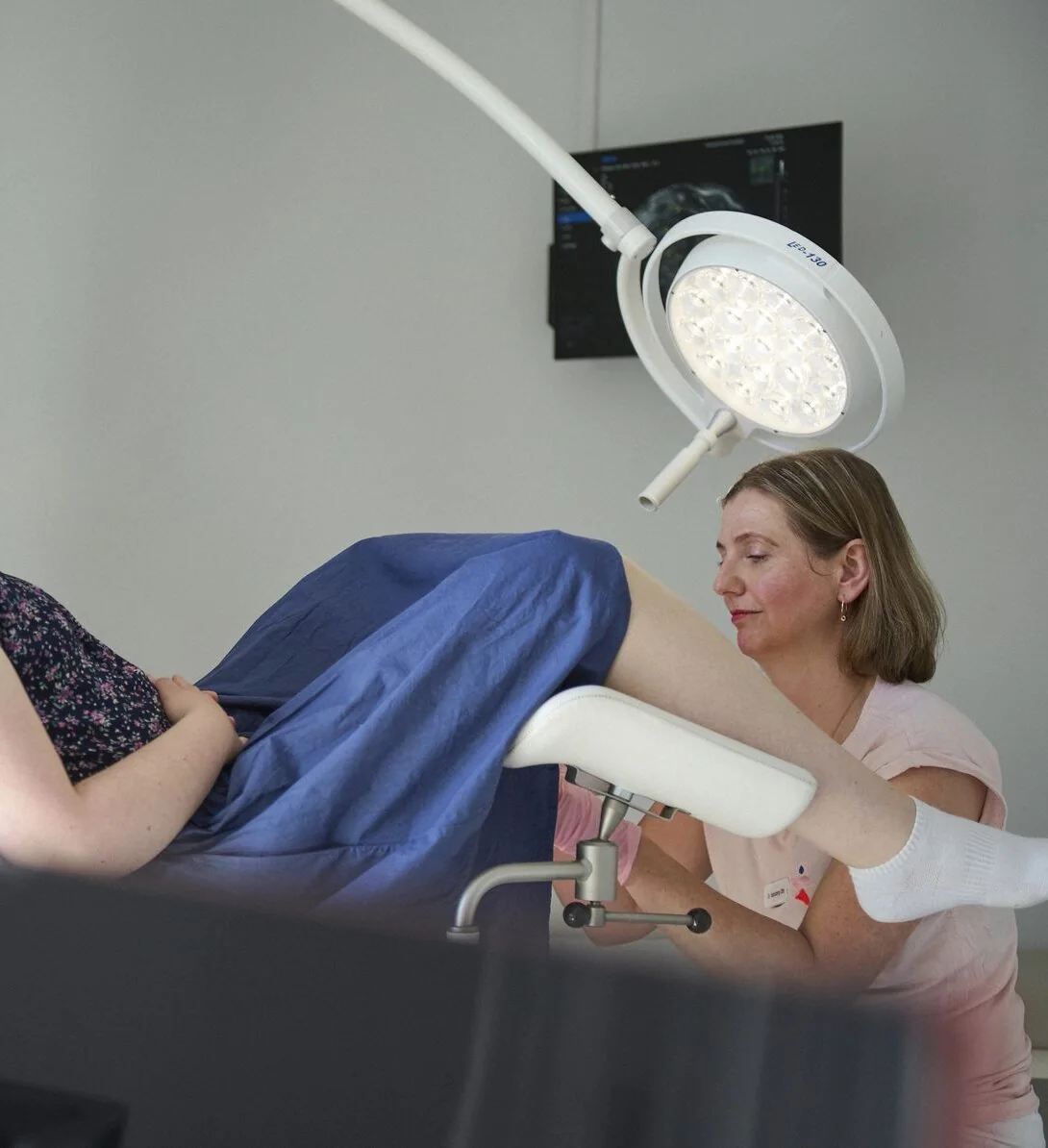
PCOS — Book an appointment.
Related topics
Ready for the next step?
Fill in the history form in advance, request an appointment, get to know the team.