Pelvic floor & bladder weakness.
A few drops when sneezing, laughing or jogging — bladder weakness is one of the most common and least talked-about women’s health issues. The good news: the pelvic floor is a muscle, and muscles can be trained. Our pelvic floor clinic covers everything from diagnosis to targeted training to modern chair therapy (Emsella).
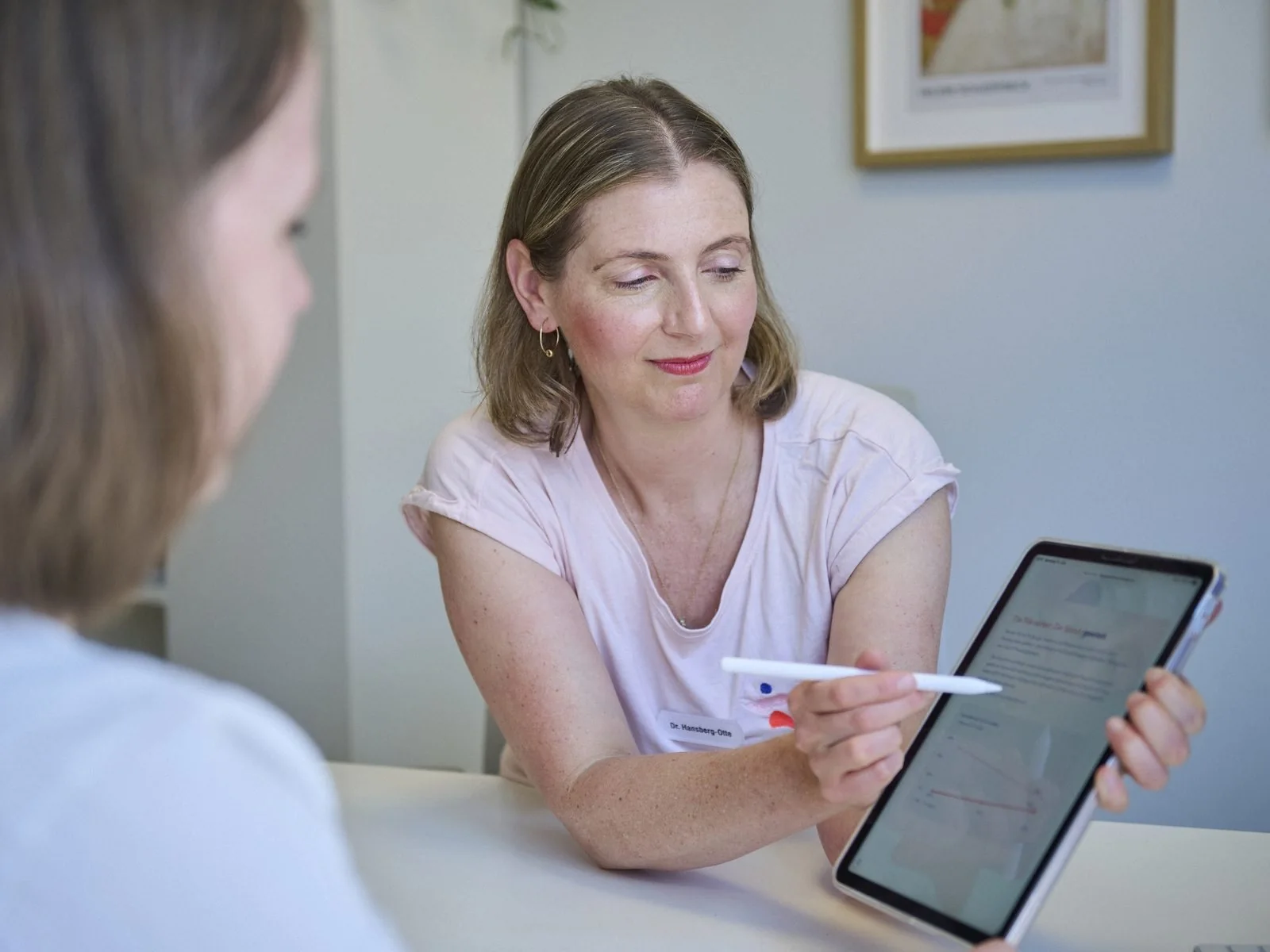
Is bladder weakness simply fate?
No — the pelvic floor is a muscle. First we measure, then we train specifically
Won't the device just do it?
Training first. Anyone selling you a device first has the order wrong
Urinary incontinence is not a fringe issue — it affects millions of women across all age groups.
Source: German Continence SocietyMany women wait years before mentioning it to a doctor — out of embarrassment. Yet treatment is often simpler than expected.
Source: German Continence SocietyPelvic floor training is the first-line therapy for stress incontinence, with solid evidence. It is never too late to start.
Source: AWMF guideline, female urinary incontinenceWhat we are planning.
A clinic that takes the topic seriously — structured, discreet, with all options under one roof:
Which type of incontinence is it — stress, urge, mixed? Prolapse? First a proper diagnosis, then the plan. Ultrasound and gynaecological examination included.
Guided pelvic floor training with progress monitoring — individually or in a class. Our pelvic floor course is already running and will be closely integrated.
Electromagnetic pelvic floor stimulation while seated: fully clothed, no probes, around 11,000 muscle contractions per ~28-minute session. Studies show marked improvement of stress incontinence in many women — results vary individually.
If training alone is not enough: pessary fitting, local oestrogen therapy in menopause, and coordinated referral to urogynaecology where needed.
Ist das überhaupt etwas für dich?
Fünf Fragen, ehrliches Ergebnis — auch wenn es „eher nein" lautet. Das Quiz ersetzt keine ärztliche Beratung; ob eine Behandlung medizinisch in Frage kommt, klären wir gemeinsam.
Was beschreibt deine Situation am besten?
Bist du aktuell schwanger?
Trägst du einen Herzschrittmacher oder Metallimplantate im Becken-/Hüftbereich?
Wichtig für elektromagnetische und Radiofrequenz-Verfahren.
Hast du konservative Wege schon ausprobiert — Beckenbodentraining, Rückbildung, Physiotherapie?
Die Behandlungen sind Selbstzahlerleistungen (mehrere hundert Euro pro Programm). Passt das grundsätzlich für dich?
Dieses Ergebnis ist eine Orientierung, keine medizinische Beratung oder Diagnose. Ob eine Behandlung für dich geeignet ist, klären wir im persönlichen Gespräch — ergebnisoffen.
Who is it for?
- ·Women with leakage when sneezing, coughing or exercising
- ·After pregnancy and birth
- ·A feeling of heaviness or downward pressure
- ·Frequent, sudden urge to urinate
- ·During and after menopause
- ·Anyone who wants to prevent problems before they start
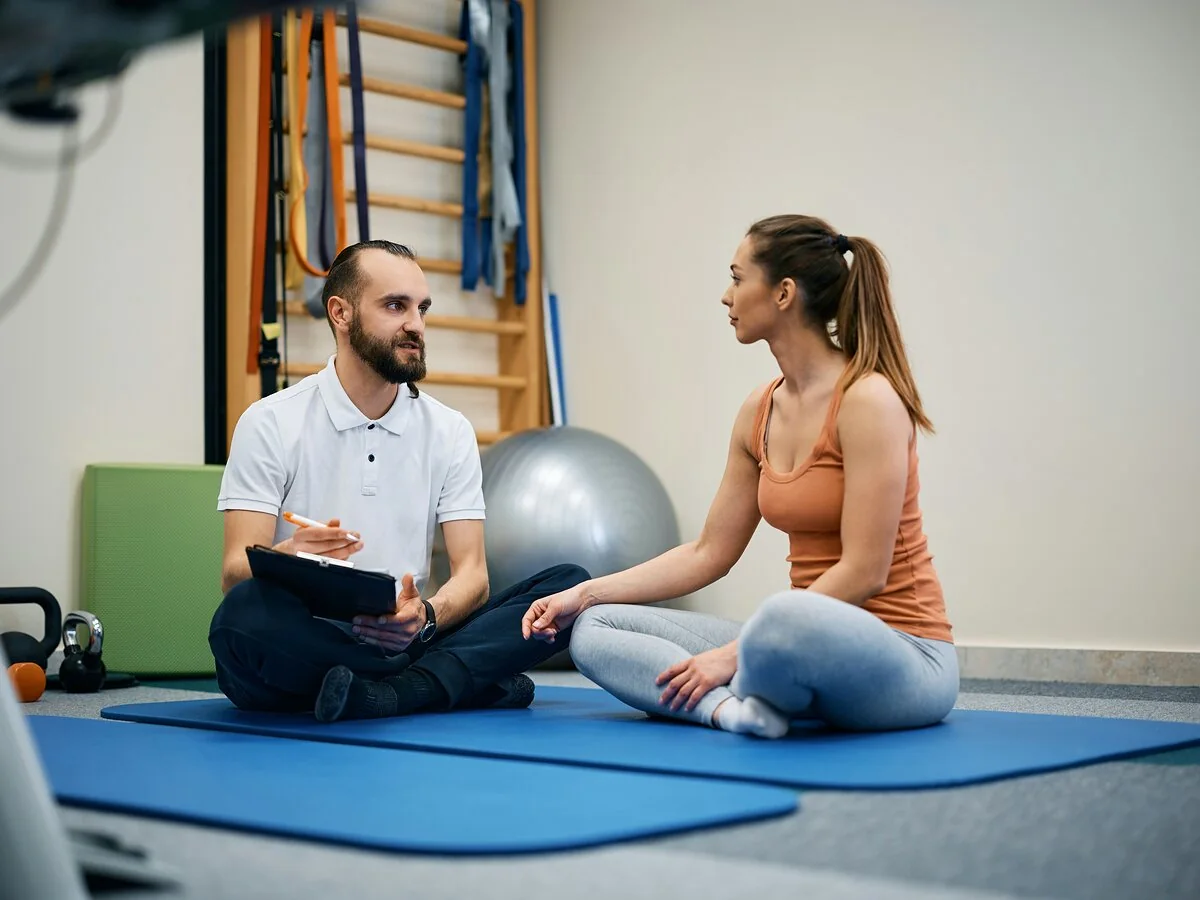

Pelvic floor clinic — register your interest.
No subscription, no commitment. We will contact you once — as soon as this service launches, with full details and pricing.
What you should know.
Isn’t bladder weakness just normal after childbirth or with age?
Common, yes — but not something you simply have to live with. Stress incontinence is very treatable in most cases, often with consistent training alone. The earlier, the better.
What exactly is the Emsella chair?
A treatment chair that stimulates the pelvic floor with high-intensity focused electromagnetic pulses (HIFEM) — seated, fully clothed, no probes. One session takes about 28 minutes and triggers thousands of contractions beyond what voluntary training can achieve. It does not replace active training but can complement it effectively.
What does it cost and does insurance pay?
Prescribed pelvic floor physiotherapy is often covered by statutory insurance. The Emsella chair is a self-pay service. We will publish exact prices transparently at launch — and as always, you receive a written cost plan before anything begins.
Your question not here?Write to us — directly and securely via the online reception. On weekdays we usually reply the same day.
Ask your questionNo need to wait: many of these topics can already be discussed in our regular consultations today.
Related topics